Source Glute Ham Developer for Gyms, Home Workouts, and Clinics
Compare 30 glute ham developer units from verified Chinese manufacturers. Buyers can evaluate steel construction, weight capacities, customization options, and packaging details for fitness centers, home gyms, and rehabilitation clinics seeking durable equipment; compare the available evidence and request quotations based on your requirements.
Key considerations
Products List
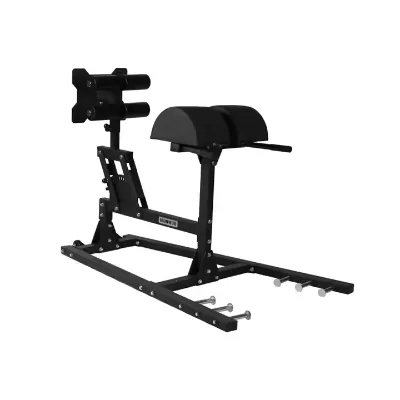
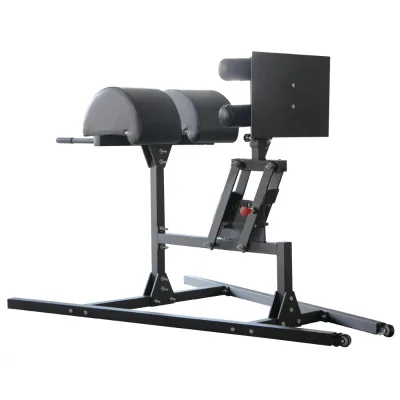
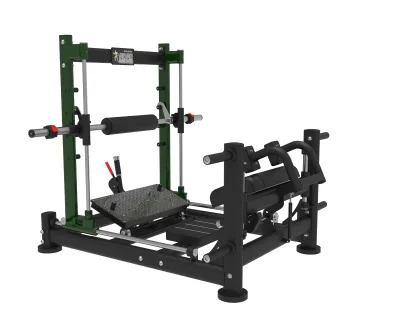


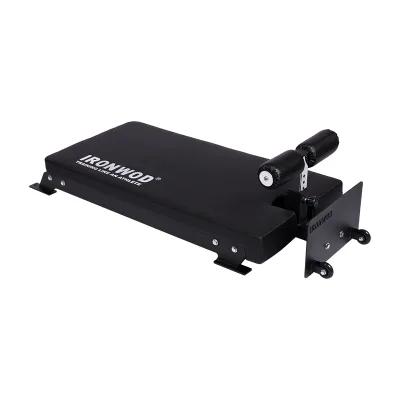









Comprehensive Sourcing Guide
Glute Ham Developer Sourcing Guide
Procuring glute ham developers requires a disciplined approach to verifying structural integrity and functional versatility, as these machines serve as critical components in modern strength training facilities. Buyers must navigate a market where specifications vary significantly between manufacturers, particularly regarding load capacity and dimensional footprint. The core challenge lies in distinguishing between basic models designed for light rehabilitation and heavy-duty units built for high-volume commercial gym environments. Understanding the specific mechanical requirements of the glute ham raise exercise is essential, as improper alignment or insufficient stability can lead to user injury and equipment damage.
This guide provides a structured framework for evaluating suppliers and products based on observable market data and technical realities. By focusing on verifiable attributes such as material composition, weight stack configurations, and certification status, procurement teams can mitigate risk and ensure long-term operational reliability. The following sections detail the critical decision points involved in sourcing these fitness machines, from initial product scope analysis to final quality control protocols. Each step is designed to help buyers make informed decisions that align with their facility’s specific needs and budget constraints.
Product Scope and Observed Listing Signals
The current market for glute ham developers exhibits a wide range of product configurations, with observed listings indicating significant variation in pricing and minimum order quantities. Buyers should note that prices can range from low-cost entry-level units to high-end commercial models, reflecting differences in material quality and feature sets. Minimum order quantities typically start at single units, allowing for small-scale procurement, but may increase for customized or bulk orders. This variability necessitates a clear definition of requirements before engaging with suppliers, as the ideal product for a home gym differs substantially from that of a large commercial fitness center.
Observed product attributes highlight key differentiators such as brand names, model numbers, and specific design features like laser-printed logos or customizable colors. For instance, some listings specify steel tube construction with a maximum load capacity of 500kg, while others focus on compact, foldable designs for space-constrained environments. The presence of OEM availability suggests that many manufacturers offer white-label services, which is relevant for brands seeking to customize equipment with their own branding. Buyers must carefully review these signals to ensure the selected product aligns with their operational goals, whether that involves maximizing durability, minimizing storage space, or enhancing brand visibility.
Technical Specifications to Verify
Verifying technical specifications is paramount to ensuring the equipment meets safety and performance standards. Key attributes to confirm include the material composition, with steel or metal construction being standard for durability, and the maximum user weight capacity, which should align with the intended user demographic. Buyers should also examine the single package size and gross weight to plan for logistics and installation, as these dimensions impact shipping costs and warehouse handling requirements. Additionally, features such as adjustability and foldability can significantly influence the product’s utility in multi-purpose fitness spaces, making them critical factors in the selection process.
The model number and brand name serve as essential identifiers for cross-referencing specifications and verifying manufacturer claims. It is crucial to confirm the exact dimensions of the equipment, such as overall size and footprint, to ensure it fits within the designated installation area. Furthermore, the type of exercise classification, whether for body building or comprehensive fitness, should match the facility’s programming needs. Buyers must also verify the packaging method, such as plywood boxes or paper cartons, to protect the equipment during transit and ensure all components arrive undamaged and ready for assembly.
Compliance and Safety Documentation
Compliance with international safety standards is a non-negotiable aspect of sourcing fitness equipment, particularly for commercial installations. Buyers should request documentation verifying that the glute ham developer meets relevant certification requirements, such as CE or ISO9001, which indicate adherence to quality management and safety protocols. These certifications provide assurance that the manufacturer has implemented rigorous testing and quality control measures throughout the production process. Without proper certification, the equipment may pose liability risks and fail to meet the regulatory requirements of the destination market.
In addition to certifications, buyers should inquire about the warranty terms provided by the supplier, as this reflects the manufacturer’s confidence in their product’s longevity. A standard warranty period, such as one year, offers protection against manufacturing defects and premature wear. It is also important to verify the availability of spare parts and technical support, as these factors influence the total cost of ownership and operational continuity. Ensuring that all safety documentation is complete and up-to-date before finalizing a purchase is essential for maintaining a safe and compliant fitness environment.
Cost Drivers and Commercial Terms
Understanding the cost drivers behind glute ham developer pricing helps buyers negotiate better terms and avoid unexpected expenses. Factors such as material quality, customization options, and order volume significantly influence the final price. For example, customized logos or colors may incur additional charges, while larger order quantities might qualify for volume discounts. Buyers should also consider the impact of packaging and shipping costs, which can vary based on the product’s dimensions and weight. A clear understanding of these variables allows for more accurate budgeting and cost comparison across different suppliers.
Commercial terms, including payment methods and lead times, play a crucial role in the procurement process. Common payment options such as T/T or L/C offer flexibility but require careful attention to terms and conditions to ensure financial security. Buyers should also clarify the lead time for production and delivery, as delays can impact facility opening schedules or inventory management. Establishing clear communication regarding these terms upfront helps prevent misunderstandings and ensures a smooth transaction process. Additionally, buyers should verify any additional fees, such as customs duties or handling charges, to avoid hidden costs.
Supplier Qualification and Quality Control
Supplier qualification is a critical step in ensuring the reliability and consistency of the glute ham developer supply chain. Buyers should assess the manufacturer’s production capabilities, quality control processes, and track record in the fitness equipment industry. Verifying the supplier’s ability to meet specific requirements, such as OEM customization or bulk order fulfillment, is essential for long-term partnership success. Additionally, buyers should request references or case studies to evaluate the supplier’s performance with other clients, particularly those in similar market segments.
Quality control measures should be clearly defined and agreed upon before production begins. This includes specifying inspection criteria, such as structural integrity, finish quality, and functional testing, to ensure the product meets the agreed-upon standards. Buyers may also consider implementing third-party inspections or audits to verify compliance with quality requirements. Establishing a robust quality control framework helps minimize the risk of receiving defective or substandard equipment, thereby protecting the buyer’s investment and reputation. Clear communication of quality expectations is key to achieving consistent results.
Long-Term Procurement Checks
Long-term procurement success depends on establishing ongoing checks and balances to monitor supplier performance and product quality. Regular reviews of delivery times, product consistency, and customer support responsiveness help identify potential issues early and allow for corrective actions. Buyers should also maintain open lines of communication with suppliers to address any concerns or changes in requirements promptly. This proactive approach fosters a collaborative relationship and ensures that the supplier remains aligned with the buyer’s evolving needs.
Additionally, buyers should periodically reassess the market landscape to identify new suppliers or improved product offerings that may better suit their requirements. Staying informed about industry trends, technological advancements, and regulatory changes helps buyers make informed decisions and remain competitive. By implementing a structured long-term procurement strategy, buyers can optimize their supply chain, reduce risks, and ensure the continued success of their fitness operations. Continuous evaluation and adaptation are essential for maintaining a resilient and efficient procurement process.
FAQs
What materials are used for glute ham developers?
These units are constructed from steel tubes, metal, or steel to ensure durability. The specific model gy-60 uses steel tubes, while the BFd-001B utilizes metal. This robust construction supports heavy loads up to 500KG for various fitness applications.
Can I customize the logo and color of the equipment?
Yes, customized logos and colors are available for most models. Buyers can request specific branding via laser printing or other methods. The equipment supports custom colors like black, silver, red, and white to match your facility's aesthetic requirements.
What is the minimum order quantity for these fitness units?
The minimum order quantity starts at one piece for single items. Some suppliers may require up to 50,000 pieces depending on the specific product line. This flexibility allows small gyms and large distributors to source equipment efficiently.
Which certifications do these fitness machines hold?
Certain models carry CE and ISO9001 certifications to ensure safety and quality standards. These certifications verify that the manufacturing processes meet international requirements. Buyers should verify specific certification details for each model before placing large orders.
How much does a single package weigh?
Single gross weights vary significantly by model, ranging from 40kg to 300kg. For instance, one model weighs 40kg while another reaches 300kg. Packaging includes PP bags, paper cartons, or plywood boxes depending on the manufacturer and product type.
Where are these fitness products manufactured?
Manufacturing locations include Jiangsu and Shandong provinces in China. These regions are known for producing high-quality fitness equipment. Buyers can expect products originating from these specific Chinese locations when sourcing from the listed suppliers.
What payment terms are accepted for bulk orders?
Accepted payment methods typically include T/T and L/C for secure transactions. These terms facilitate international trade and provide financial security for both buyers and sellers. Specific payment arrangements should be confirmed directly with the supplier before finalizing the purchase.